
Home / Destinations / Taghazout
Destinations · Taghazout Surf Guide
Taghazout surf, Morocco's liveliest point-break town.
A local's honest guide to Taghazout surf: Anchor Point and the breaks around it, real hostel costs, and how to get here from Agadir.
The Full Story
Surfing in Taghazout: an honest, local breakdown
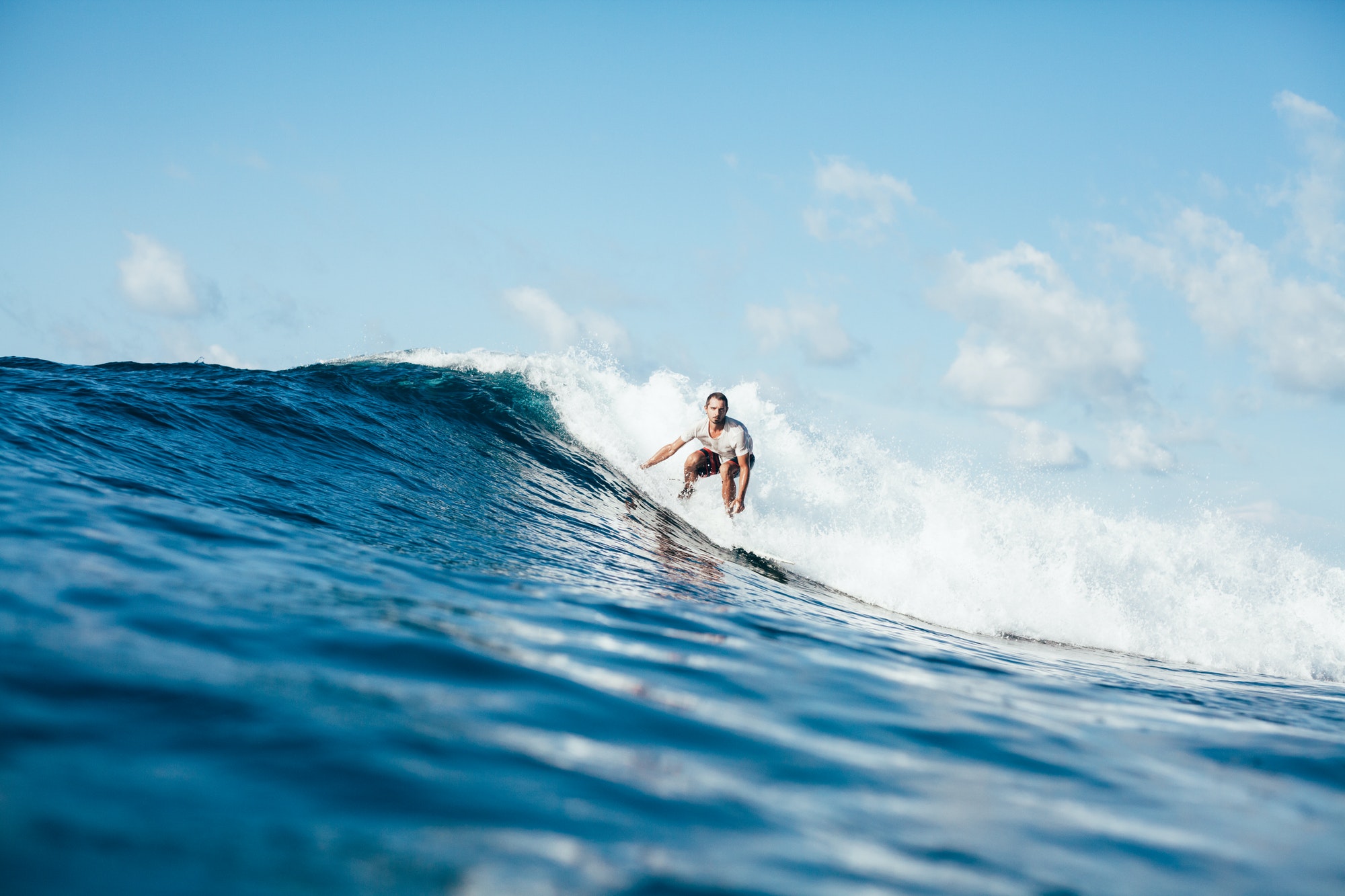
Ask five different surfers what "surfing in Taghazout" actually means and you'll get five different answers, depending on which spot they paddled out at that morning. I don't live in Taghazout — I live an hour and a half south in Imsouane, and I surf The Bay most days of the week. But I come up here often enough to know the place well, and to know where the guidebooks oversell it. Taghazout surf is genuinely good. It's also genuinely crowded, especially at the one wave everyone's heard of. If you're planning a trip, the spot you choose matters more than the season, and the season matters more than most people admit.
Anchor Point: the wave everyone's heard of
Anchor Point is the reason Taghazout is on the map. It's a long, powerful right-hand point break that can hold serious size, and on a good winter swell it produces some of the best rides in Morocco — fast walls, long sections, the works. It's also almost never empty. On a solid December or January swell you'll be sharing peaks with fifty other surfers: visiting pros, surf-camp groups, and locals who've been riding it for twenty years. Priority is real here, and it's enforced the old-fashioned way, not politely. If you're intermediate or better and comfortable in a crowd, it's worth every paddle-out. If you're not, watching from the rocks for a session is still worth the trip — just don't paddle out expecting an easy lesson.
Where beginners should actually surf
This is the part guidebooks gloss over: Anchor Point and Killer Point are not beginner waves, and paddling out at either without solid experience is a good way to get hurt, or at minimum, seriously in the way. Beginners should head to Croco Beach or Banana Beach instead — both are soft, sandy beach breaks a short drive south toward Tamraght, and they're exactly where the local surf schools run their lessons. The waves are smaller, the bottom is forgiving, and nobody's going to drop in on you for sitting in the wrong spot. It's a less glamorous introduction to Taghazout surf than Anchor Point, but it's the one that actually teaches you to surf.
Hash Point and Panorama: the in-between spots
Between the two extremes sit Hash Point and Panorama, both intermediate rights that work well once you're comfortable linking turns and reading a lineup. Hash Point is punchy and works best from mid to high tide; Panorama is more forgiving and a good next step once you've outgrown the whitewash at Croco. Both spots are a reasonable size for most of the season, without the raw power that makes Anchor Point intimidating — which is exactly why local surf coaches use them to bridge the gap between beach-break basics and proper point-break surfing. Neither gets quite as crowded as Anchor Point, though on a big swell week in peak season, "quiet" is relative anywhere on this stretch of coast.
Best season and what to expect
October to April is the window that matters, with the most consistent Atlantic groundswell landing in December, January and February — bigger, more powerful, and busier. Outside that window the swell is smaller and more forgiving, which actually suits beginners better even if it's not "peak" by local standards. Water sits around 17–21°C year-round, cold enough that you'll want a 3/2mm wetsuit whatever month you go, and boots if you're spending time on the rocky points.
Getting around once you're here
Taghazout itself is small enough to walk, but the surf spots are spread along several kilometres of coast, so most visitors rent a scooter or share taxis between breaks. A scooter runs about €10–15 a day and is by far the easiest way to check Anchor Point, Hash Point and Croco Beach in the same morning without waiting on a taxi. If you're not confident on two wheels, the little blue petit taxis are cheap and easy to flag down along the main road, and most hostels can arrange a driver for surf-camp groups heading to the beach breaks near Tamraght.
What a Taghazout surf trip actually costs
Budget surfers can do this cheaply — compared to Bali or the Canaries, it's still one of the cheapest proper surf destinations in the world. Here's roughly what I see people actually spending, per person, per day:
The vibe: lively, not sleepy
Taghazout doesn't have the quiet, one-wave focus of somewhere like Imsouane. It's a proper surf town — rooftop cafés, board shops, smoothie bowls, a strip of accommodation from €13 dorms to boutique riads, and a constant rotation of surf-camp groups arriving on Saturdays and leaving the next. If you want structure, a coach, and a crew of people to surf and eat with, this is genuinely one of the easiest places in the world to get that. If you want solitude, you won't find much of it in high season — for that, my honest advice is to base yourself here for the spot variety and take a day trip to somewhere quieter, or read our Taghazout vs Imsouane comparison before you book. Either way, book your first night or two in advance during peak season — the best-located hostels near Anchor Point fill up fast once the swell forecast looks good. For the full spot-by-spot guide, see surfing in Taghazout, and for transport details, how to get here from Agadir.
Your Taghazout Guide
Everything you need, in one place.
Six honest guides to plan your Taghazout trip — written by a local surfer, not a desk in Europe.
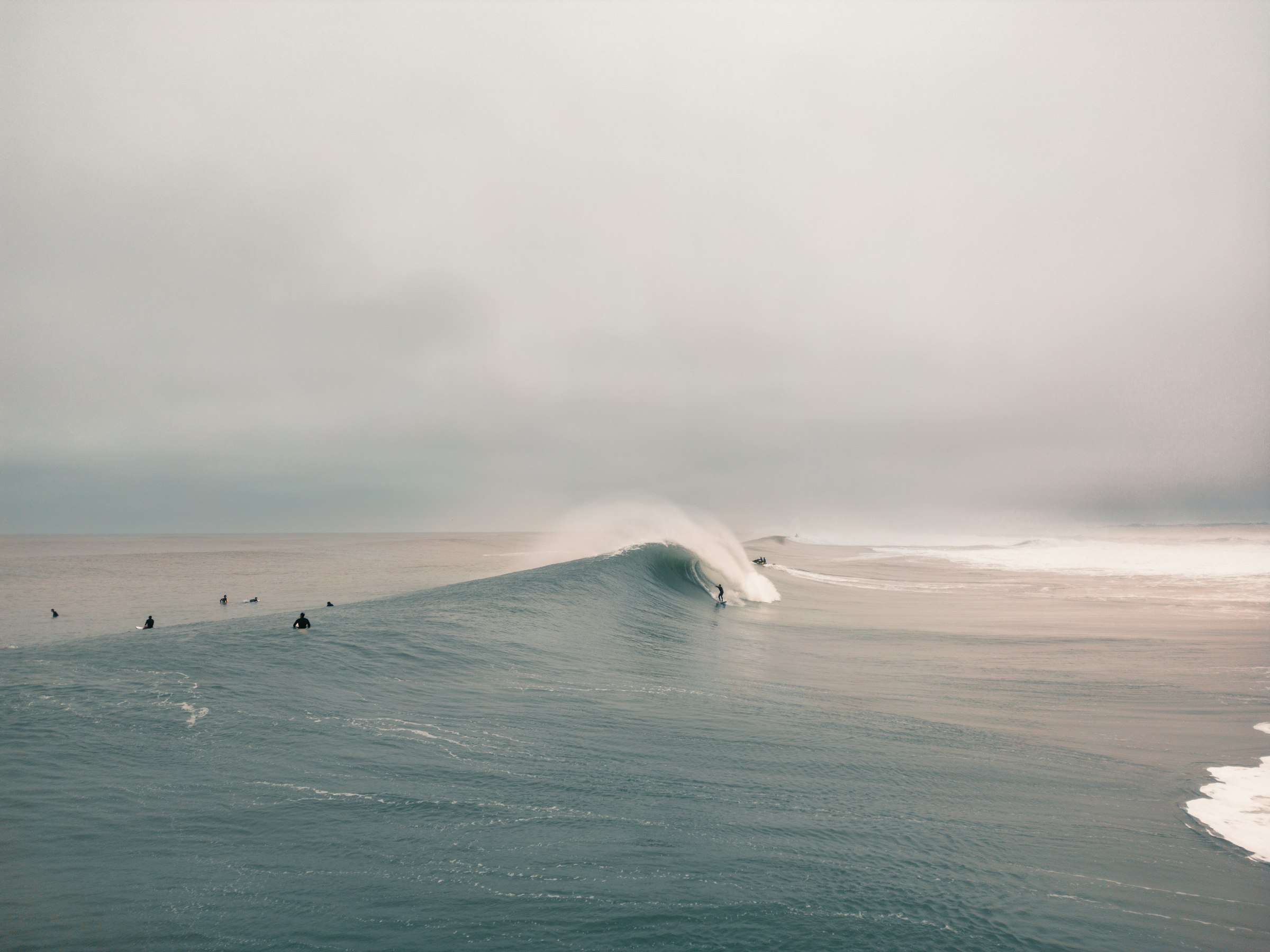
Surfing in Taghazout
Anchor Point, Hash Point, Panorama, and where beginners should actually start.
Read guide →
Best Hostels in Taghazout
Honest picks from €13 a night, once real properties are verified.
Read guide →Best Surf Camps in Taghazout
Coached weeks for improvers who want structure, a board and a crew.
Read guide →Where to Eat in Taghazout
Rooftop cafés, tagines, and where locals actually order lunch.
Read guide →How to Get to Taghazout
From Agadir airport by taxi, shuttle minibus or rental car.
Read guide →Taghazout vs Imsouane
Two very different vibes — which one actually suits your trip?
Read guide →Where to Stay in Taghazout
Sleep near the swell.
Property to be added
Taghazout · rating and price pending verification
Property to be added
Taghazout · rating and price pending verification
Property to be added
Taghazout · rating and price pending verification
Property to be added
Taghazout · rating and price pending verification
Placeholder hostels — real, verified properties with permitted photos, real ratings and booking links must be added before publication.